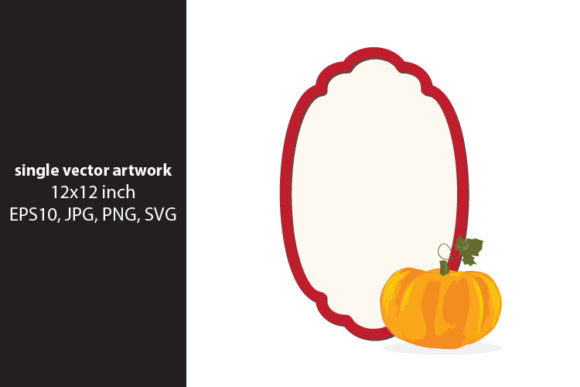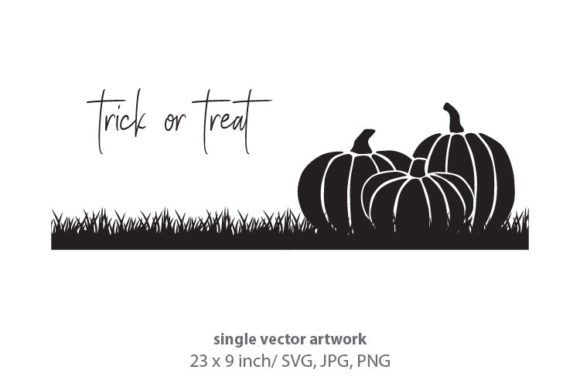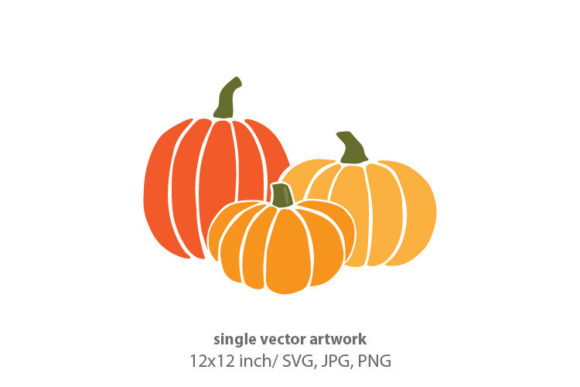
Pumpkins Graphics for Seasonal Branding
First Impressions and Emotional Tone
The first impression of Pumpkins is warm, inviting, and nostalgic. It carries the familiar charm of autumn, evoking feelings of comfort, creativity, and community. This emotional tone makes it ideal for seasonal campaigns or brand identities that aim to connect with audiences through a sense of tradition and joy.
Visual Consistency in Branding
Pumpkins offers a versatile graphic design asset that can be integrated into various branding elements without overwhelming the visual hierarchy. Its clean lines and organic shape make it suitable for both casual and premium branding. When used thoughtfully, it supports a cohesive brand identity by reinforcing a consistent aesthetic across different touchpoints.
Supporting Marketing Goals with Pumpkins
Pumpkins can significantly enhance marketing goals by creating a stronger first impression and improving audience trust. Its presence in campaign visuals helps establish a memorable brand image. Whether used in social media graphics or website headers, it adds a layer of visual interest that encourages engagement and recognition.
Where Pumpkins Works Best
- Hero Graphics: Pumpkins can serve as a focal point in hero images, drawing attention to key messages or product launches.
- Campaign Headers: Its festive nature makes it perfect for seasonal campaign headers, adding a touch of personality and warmth.
- Branded Templates: It complements Canva templates and digital product designs, offering a creative design option for content creators.
- Social Media Covers: As an SVG design, it adapts well to social media covers, ensuring visual appeal across platforms.
- Content Bundles: Pumpkins can be part of a design bundle, supporting a variety of printable and digital marketing materials.
- Promotional Banners: It enhances promotional banners with a modern design that aligns with current trends in visual hierarchy.
Where to Use Carefully
While Pumpkins is a valuable graphic design asset, it should be used carefully in certain contexts. For example, it may not be suitable for formal corporate branding due to its playful nature. In text-heavy ads or low-contrast backgrounds, it could compete with the main message. Always test its placement in real campaign mockups to ensure it supports rather than distracts from your core communication.
Practical Brand Designer Notes
Before incorporating Pumpkins into a marketing strategy, consider the following:
- Test with Brand Color Palette: Ensure it harmonizes with your brand colors for a cohesive look.
- Check Black and White Usage: Confirm it remains visually appealing in monochrome settings.
- Preview on Mobile Screens: Ensure it looks good on all device sizes, especially for digital ads and social media graphics.
- Test Readability in Small Sizes: Verify it maintains clarity when scaled down for mobile use.
- Compare Against Competitor Visuals: Assess how it stands out in the competitive marketplace.
- Confirm Commercial Licensing: Always check the commercial license before using it in paid campaigns or client work.
Pairing with Fonts and Layouts
Pumpkins pairs well with a range of font styles, including serif, sans serif, script, and handwritten fonts. It works particularly well with display fonts to create a balanced editorial design. However, avoid overly minimal brands where the asset might appear too bold or distracting. Proper spacing and balance are essential to maintain a professional appearance.
Target Audience and Campaign Applications
Pumpkins is well-suited for small business branding, especially in sectors like lifestyle content, handmade products, and seasonal promotions. It can support a wide array of content marketing efforts, from Instagram posts to Pinterest pins. For event promotions or editorial layouts, it adds a decorative brand element that enhances overall visual appeal.
Conclusion: A Strong Design Asset for Content Creators
In summary, Pumpkins is a strong graphic design asset that brings warmth and creativity to marketing visuals. Its versatility allows it to fit seamlessly into various design assets, from social media graphics to branded templates. By considering its limitations and testing it in real-world scenarios, you can maximize its potential for building a memorable brand identity and engaging audience effectively.